


The History of American Cemetery Design
October 15, 2025
Grief Through the Generations: How Families Heal Together
December 15, 2025
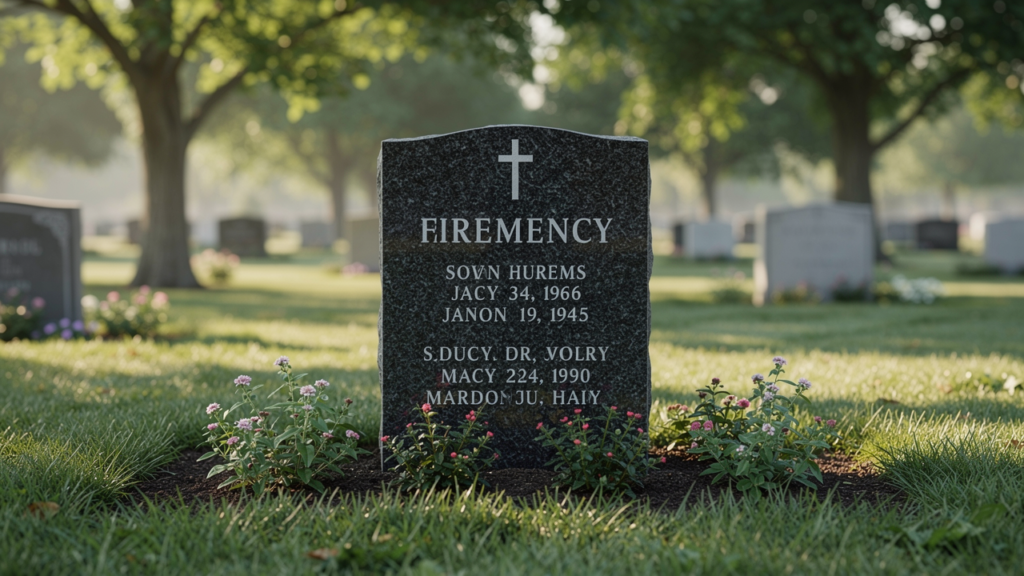
The epitaph — the inscription on a memorial that goes beyond the basic facts of a life — is an opportunity to say something true and lasting about who a person was. It’s also a decision that many families find surprisingly difficult. Here’s a framework for thinking it through.
Keep It True Over Clever
The most meaningful epitaphs are those that feel genuinely true to the person being honored. A witty inscription that doesn’t feel like the person, or a religious quotation that doesn’t reflect their actual beliefs, will feel wrong every time family visits. Start with what was most essential about who they were.
Source Material Worth Considering
A phrase the person frequently used, a value they consistently demonstrated, a scripture or poem they loved, or a description from someone who knew them well — these make more authentic epitaphs than generic options. Journals, letters, and recorded memories are worth reviewing.
Brevity Works
Monument space is finite, and epitaphs that try to say too much end up saying less. A few well-chosen words carry more weight than a paragraph. The most enduring epitaphs in history are typically brief — sometimes just three or four words that encapsulate a life.
It Doesn’t Have to Be Final Right Away
Families often need time with this decision. That’s appropriate. Blackmon Memorials encourages families to take the time they need with inscription choices — accuracy and authenticity matter more than speed.
